Beautiful Plants For Your Interior
Beautiful Plants For Your Interior

Smiths, sharpeners, and handle-makers each handle their own step of the craft.
High-carbon Aogami and Shirogami for a keen edge, or stainless for easier care.
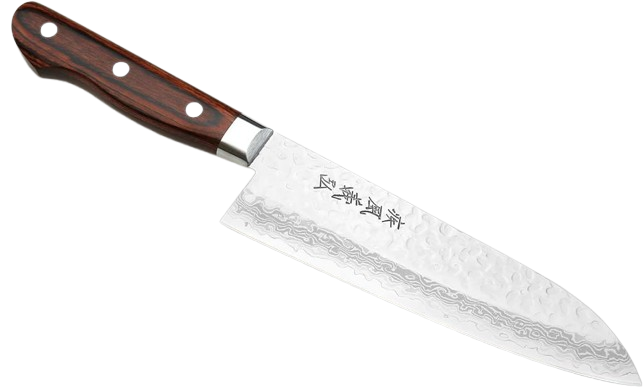
Gyuto and santoku for everyday prep, yanagiba and deba for fish.
Light wooden wa-handles for long sessions, or Western grips if you prefer.
Yoshihiro makes Japanese kitchen knives for people who cook often enough to notice when a blade starts letting them down. The name comes from the tradition these knives belong to, where a knife is judged by what it does on the board, not how it looks hanging on a magnetic strip. That means hard steel that holds an edge, a balance that settles into your grip, and a profile shaped for real prep work. We’re not here to sell you a block of twelve knives you’ll never use; we’d rather sell you the one you reach for every night.
Getting a knife right happens in the parts most people never see. The heat treatment decides whether an edge stays keen for months or rolls after a week of onions. The grind decides whether a blade glides through a sweet potato or wedges halfway and stalls. The fit between blade and handle decides whether your hand is tired after twenty minutes of dicing. We care about all of it, because a knife that looks flawless in the box can still feel wrong the first time it meets a cutting board, and by then the box is already in the recycling.
We also won’t pretend a good knife asks nothing of you. Harder steel holds a sharper edge, but it wants to be dried after washing, kept out of the dishwasher, and taken to a whetstone now and then instead of a pull-through sharpener. That isn’t a flaw we’re apologizing for; it’s the trade that makes the knife worth owning. Look after it and it’ll outlast the three cheaper knives you would have bought in the meantime.
If you’ve ever stood at the counter sawing through a tomato and thought “this shouldn’t be this hard,” you already know why we exist. We make knives for home cooks who’ve outgrown the starter set, for people who cook for a living, and for anyone who’d rather buy one good tool than keep replacing mediocre ones. Pick one up, make dinner with it, and you’ll feel the difference by the second onion.
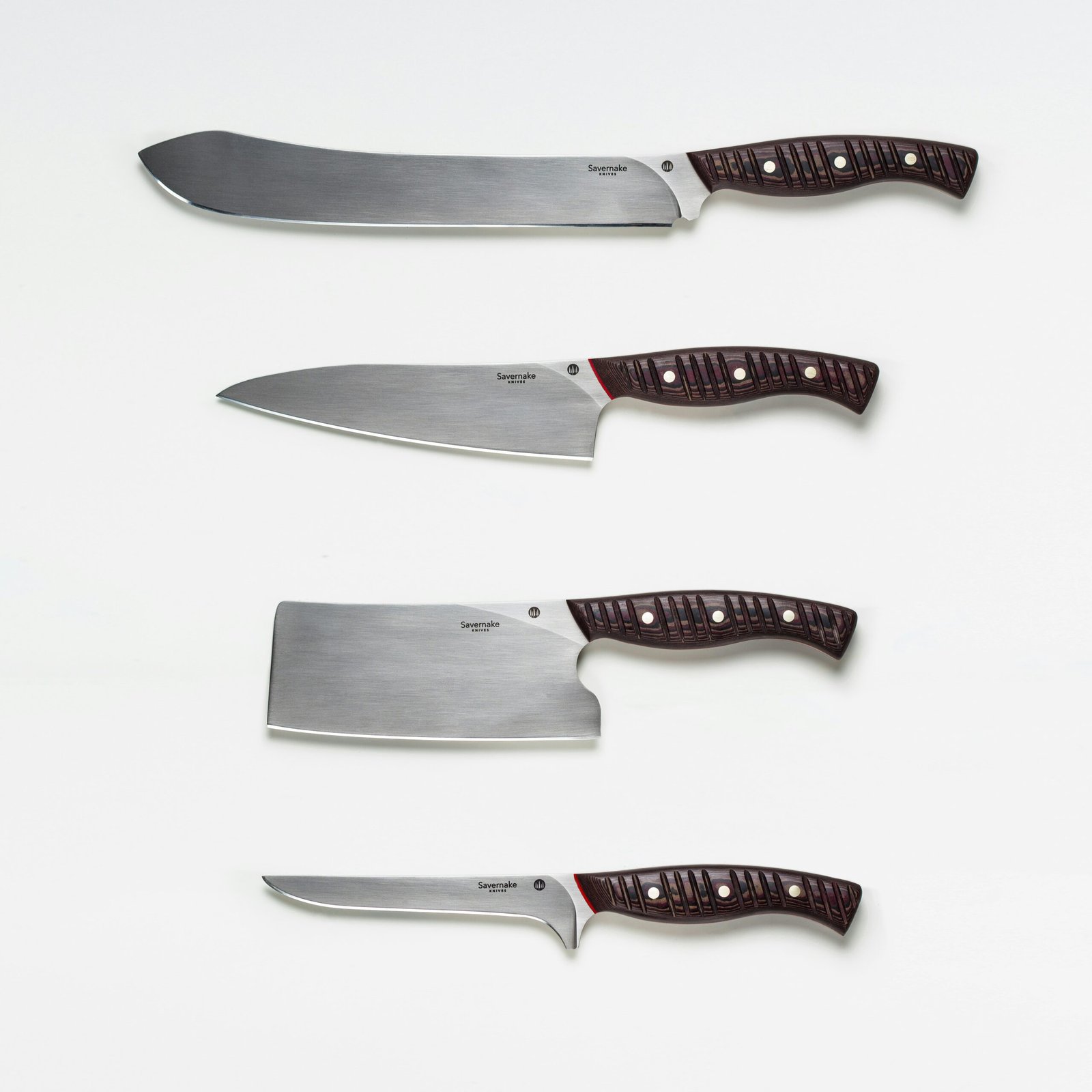
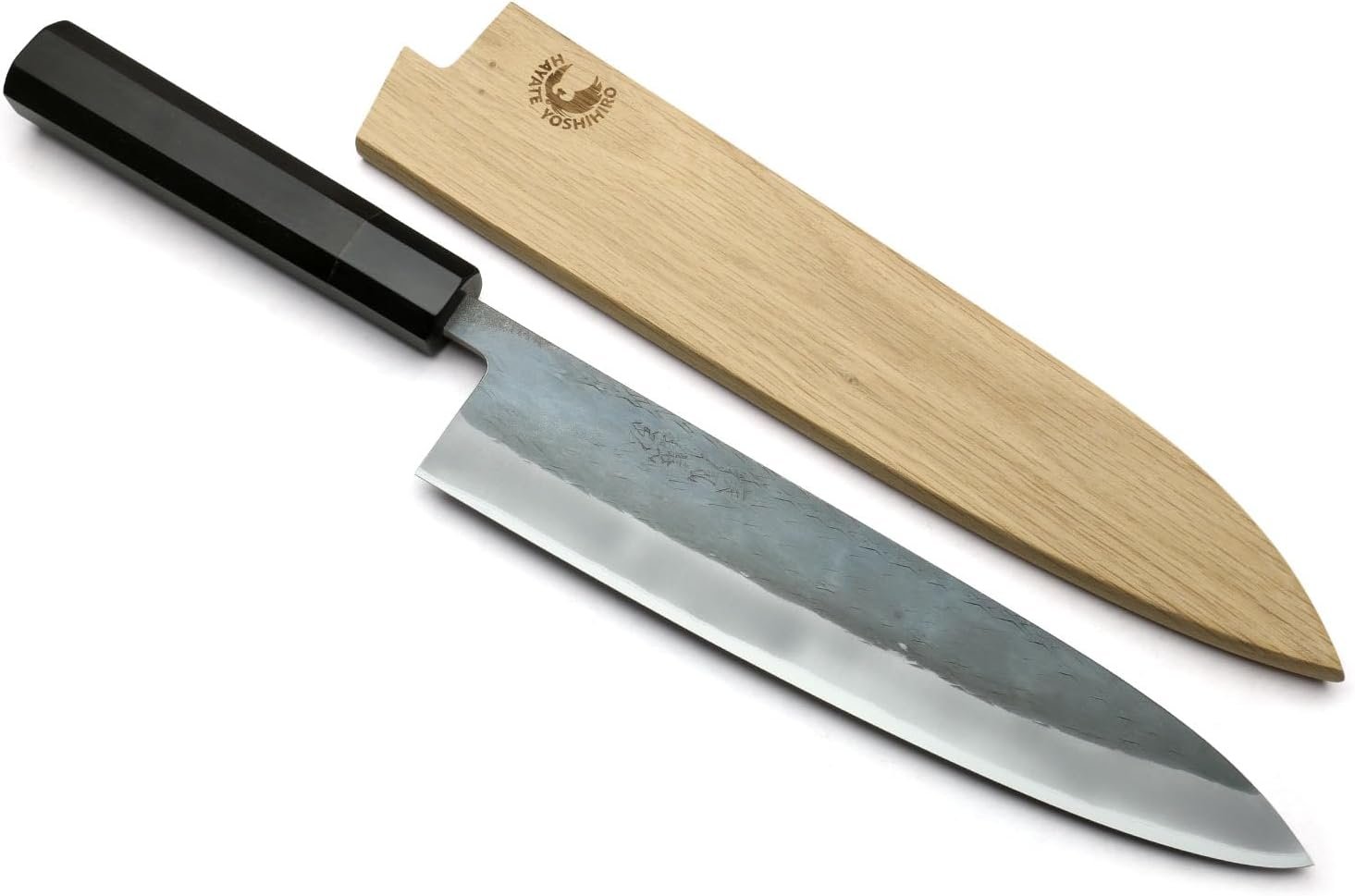
Kurouchi, which translates to “Black-Forged,” is a unique forging style that gives the blade a distinctive look and an unpolished, rustic aesthetic finish.
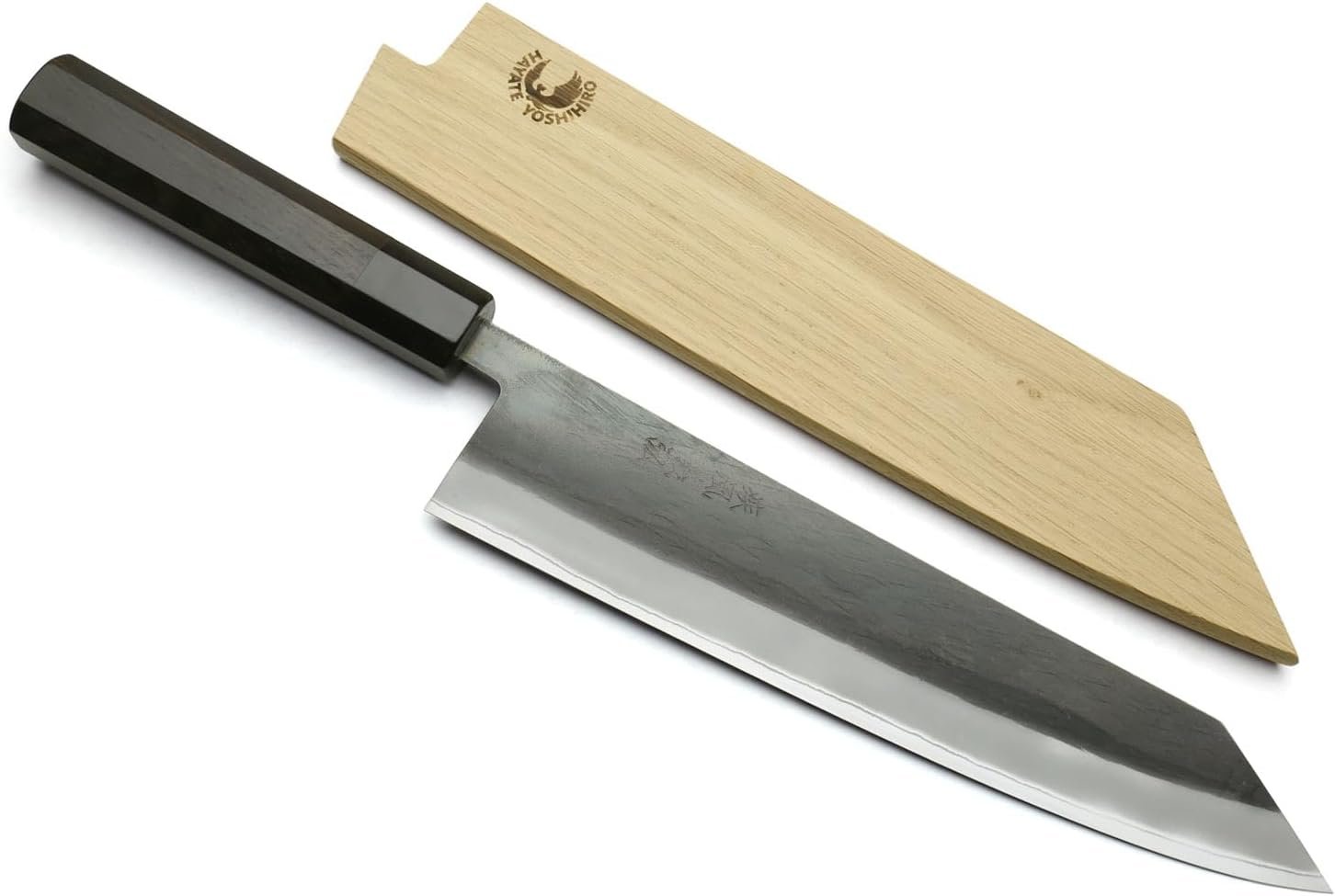
Our Yoshihiro Kurouchi Stainless Clad Knives feature a durable two-layer full Kurouchi stainless steel construction that provides excellent protection while maintaining a sharp.
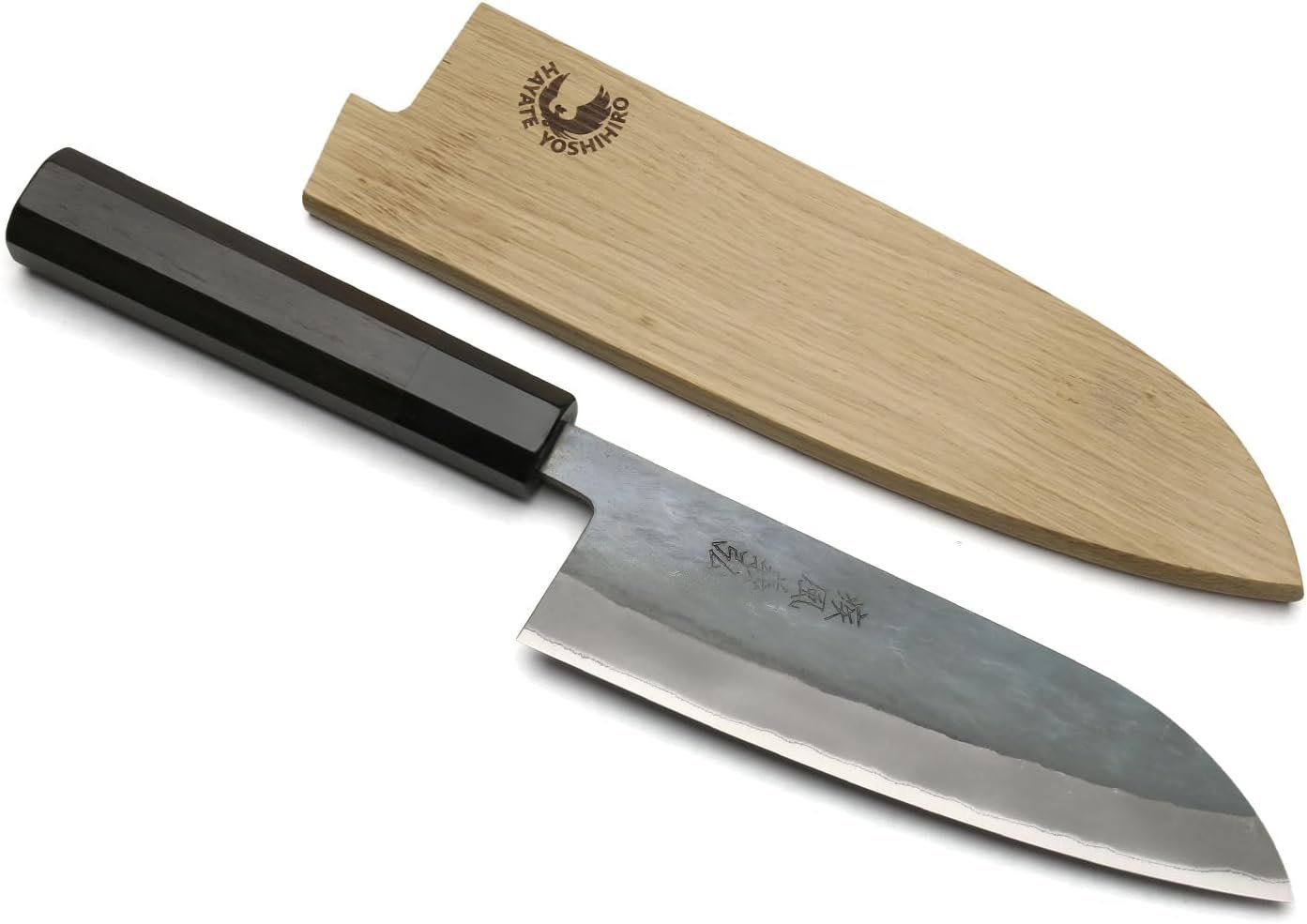
Traditional Japanese knife making places great importance on maintaining a sharp edge, which requires proper attention and care. To preserve the blade’s sharpness.
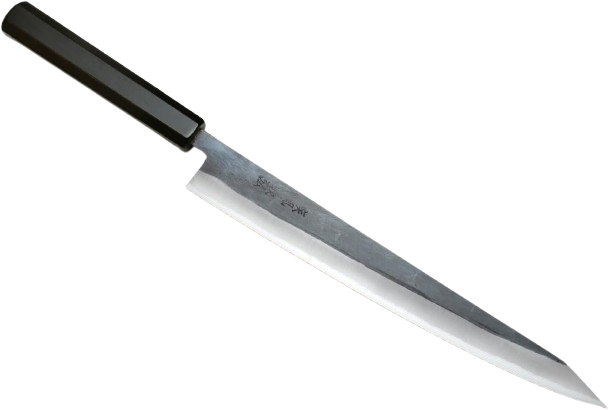
From slicing fresh fish to carving a roast chicken straight from the oven, even the simplest kitchen tasks are elevated with a handcrafted knife.
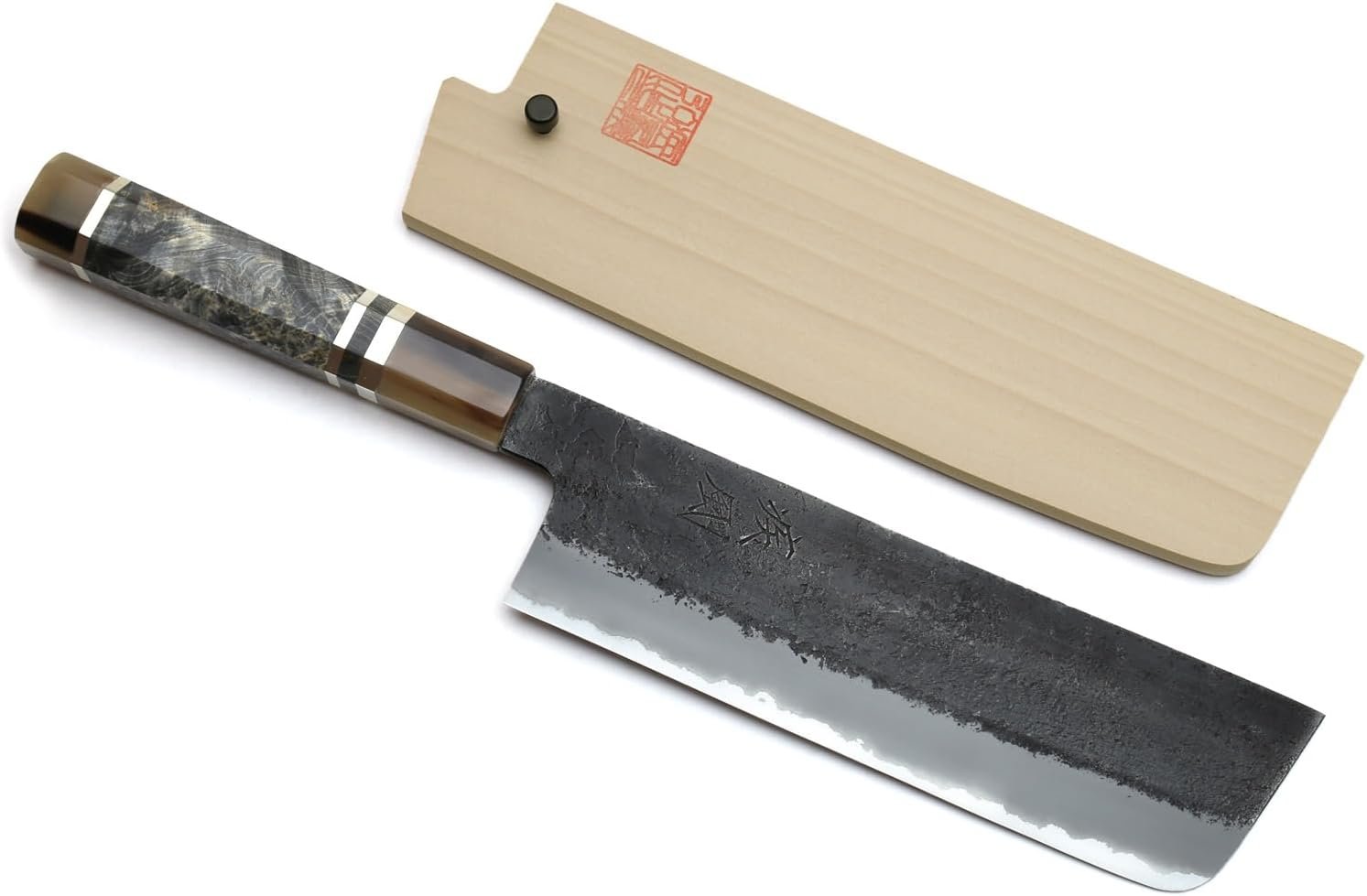
The Kurouchi finish enhances durability and provides excellent corrosion resistance, while the edge requires regular drying and oiling to prevent rust.
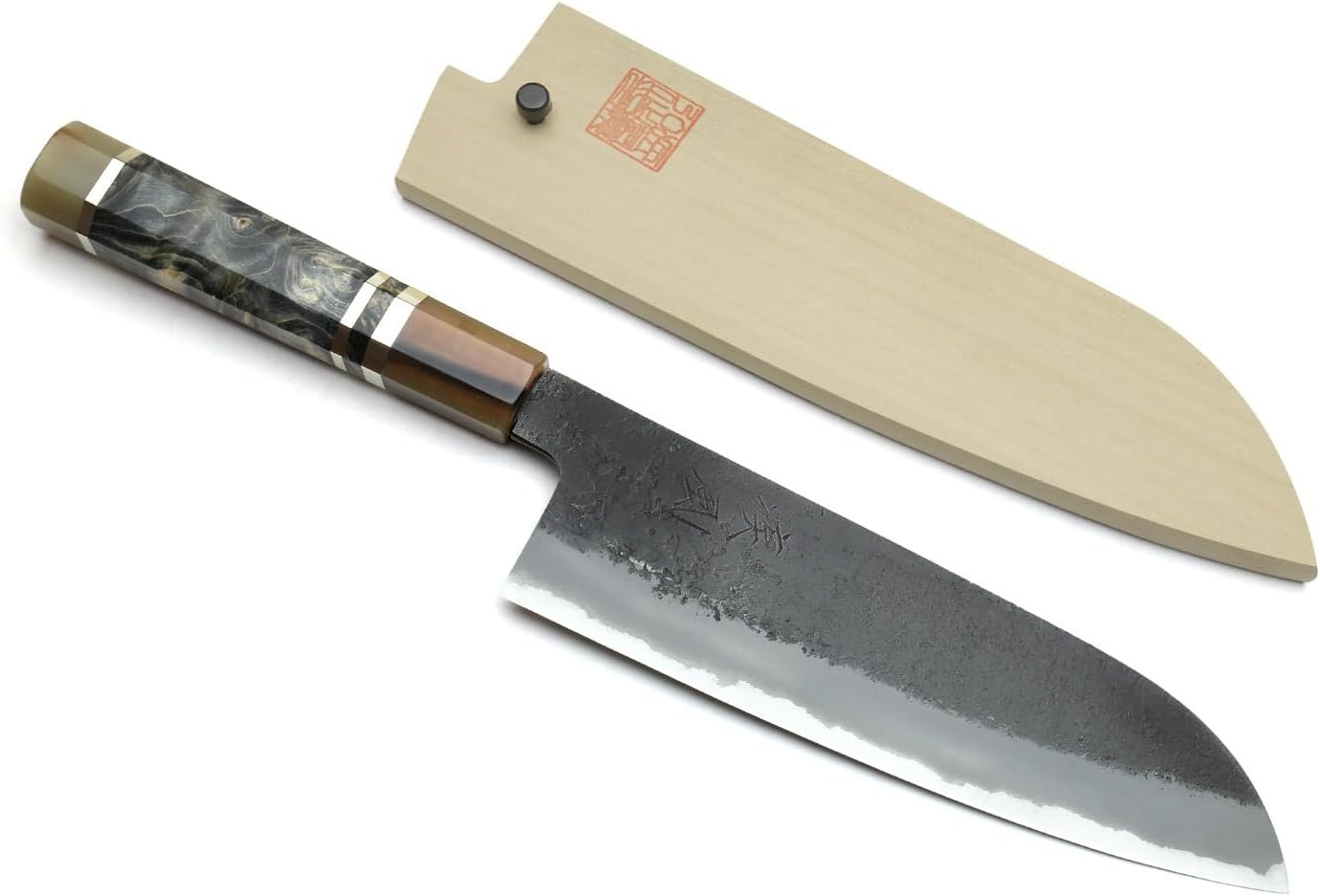
The Kurouchi finish enhances durability and corrosion resistance, while the edge is the only area that requires drying and oiling to prevent rust.
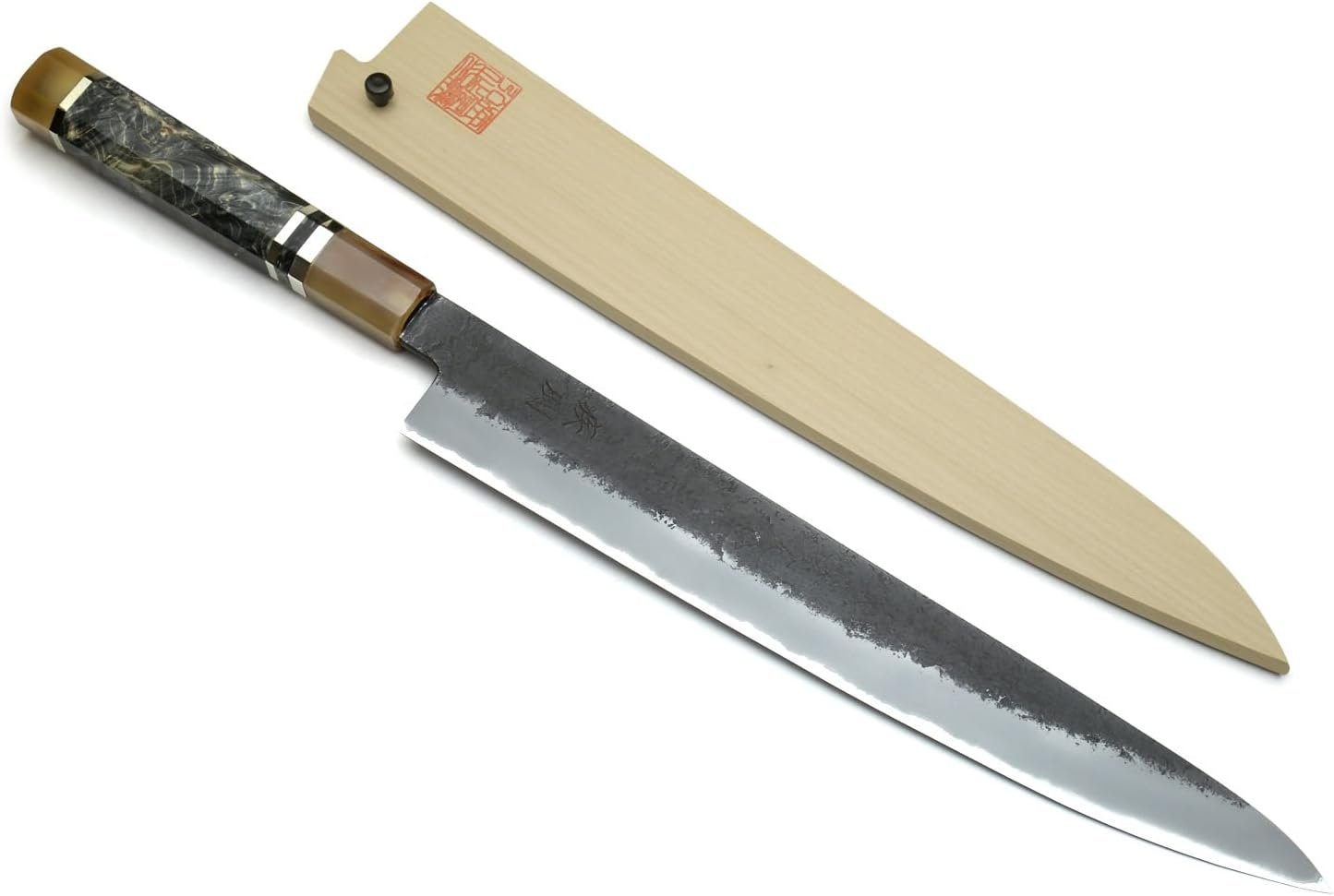
Features a handcrafted octagonal handle made from stabilized maple burl, paired with a water buffalo horn bolster for a comfortable.
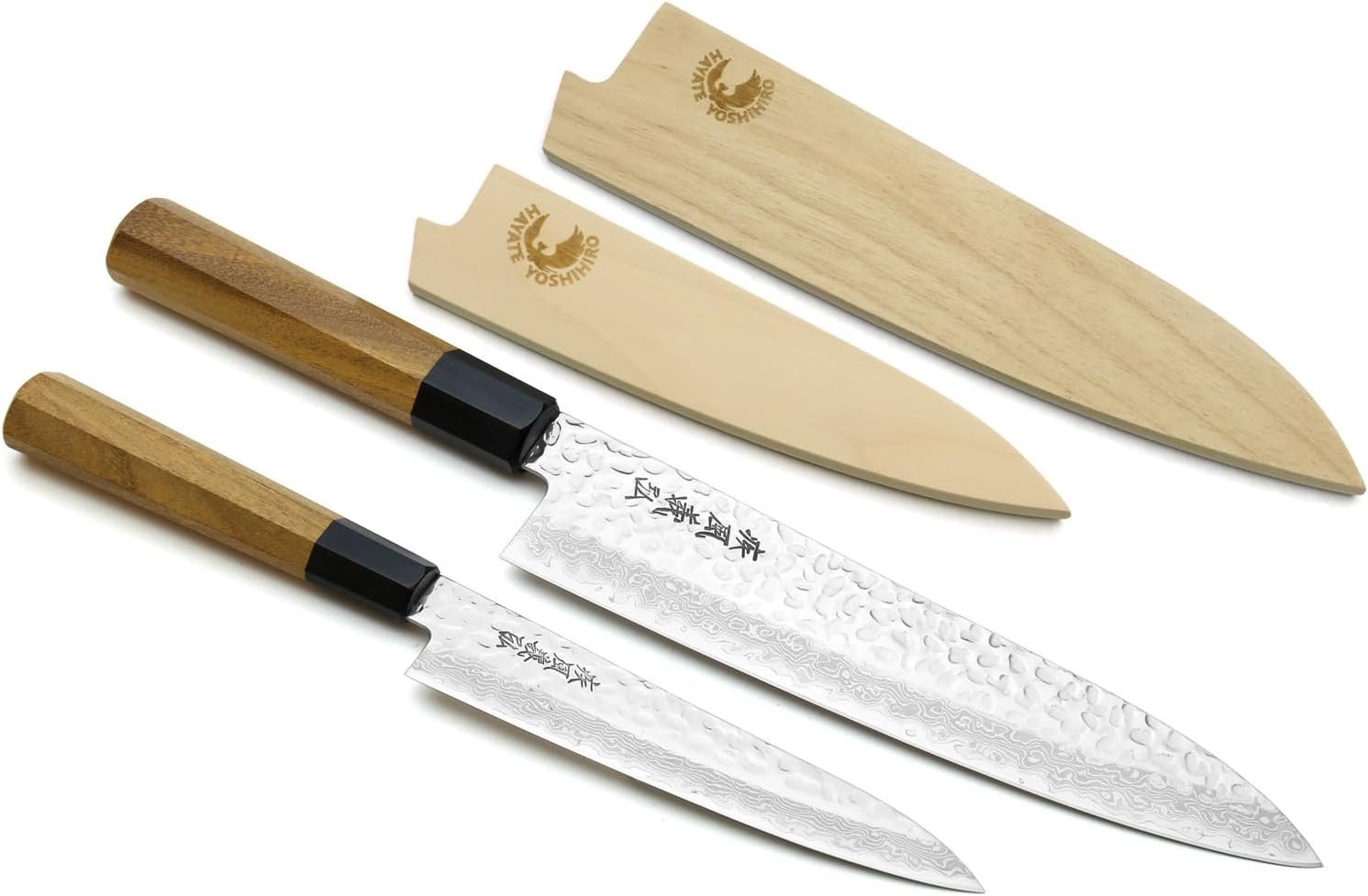
The Petty knife is ideal for small, precise tasks that require more dexterity than a larger chef’s knife, while still being capable of handling jobs.
“I’ve worked a restaurant line for eleven years, and my Gyuto still slices paper cleanly after a full Saturday service. I touch it up on a 3000-grit stone once a month and that’s all it needs.”
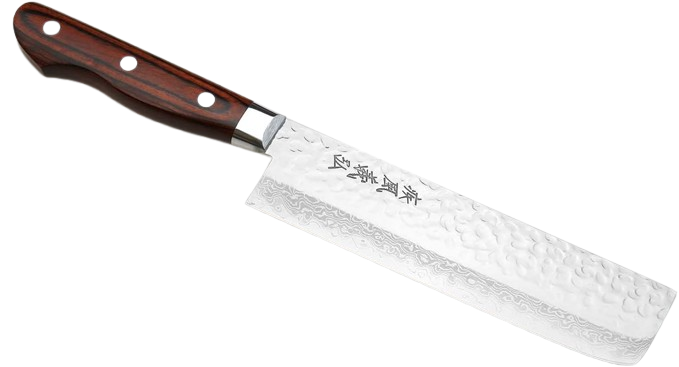
“Onions used to be the part of cooking I dreaded. The Nakiri goes through them so cleanly that my eyes barely water anymore. I guess that’s what happens when you stop crushing them.”
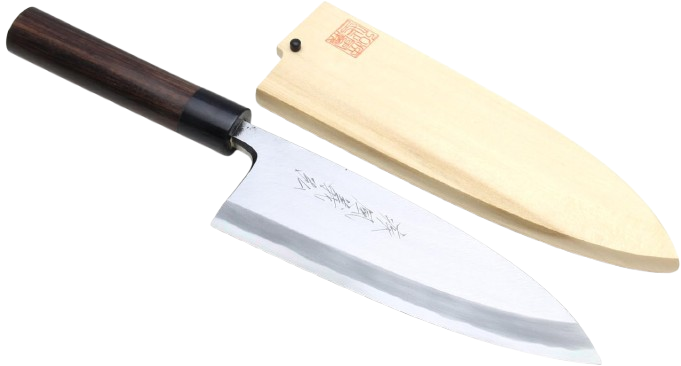
“I bought a Yanagiba so I could finally cut sashimi properly at home. One long pull and the salmon comes off with a glassy surface, with none of the ragged edges my carving knife used to leave.”
Blades made from high-carbon steel react naturally with moisture and acidic foods like onions, tomatoes, and citrus, which gradually forms a darker layer called a patina. This layer is harmless and actually helps protect the steel from rust over time. Orange or reddish spots, on the other hand, signal rust, which can usually be lifted with a rust eraser or a gentle scrub with a paste of baking soda and water.
A dishwasher is best avoided entirely. High heat, harsh detergents, and long exposure to water can dull the edge, cause rust, and crack or loosen wooden handles. A quick hand wash with warm water and mild soap, followed by drying immediately with a soft towel, keeps both the steel and the handle in good shape. Storing it in a wooden sheath, on a magnetic strip, or in a block also protects the edge between uses.
Bones, frozen foods, hard squash rinds, and shellfish can chip a hard, finely ground edge, since this type of steel trades some flexibility for sharpness. Twisting the blade, prying, or scraping food off the board with the edge also puts unnecessary stress on it. Flipping the blade to use the spine for scraping is a simple habit that makes a noticeable difference.
Small chips can often be ground out during a regular sharpening session, while larger ones may call for professional sharpening or repair. If a defect in the steel, grind, or handle shows up soon after arrival, reaching out to the seller with photos and an order number is the quickest way to start a repair or replacement. Damage from dropping, dishwasher use, or cutting hard items usually falls outside warranty coverage.
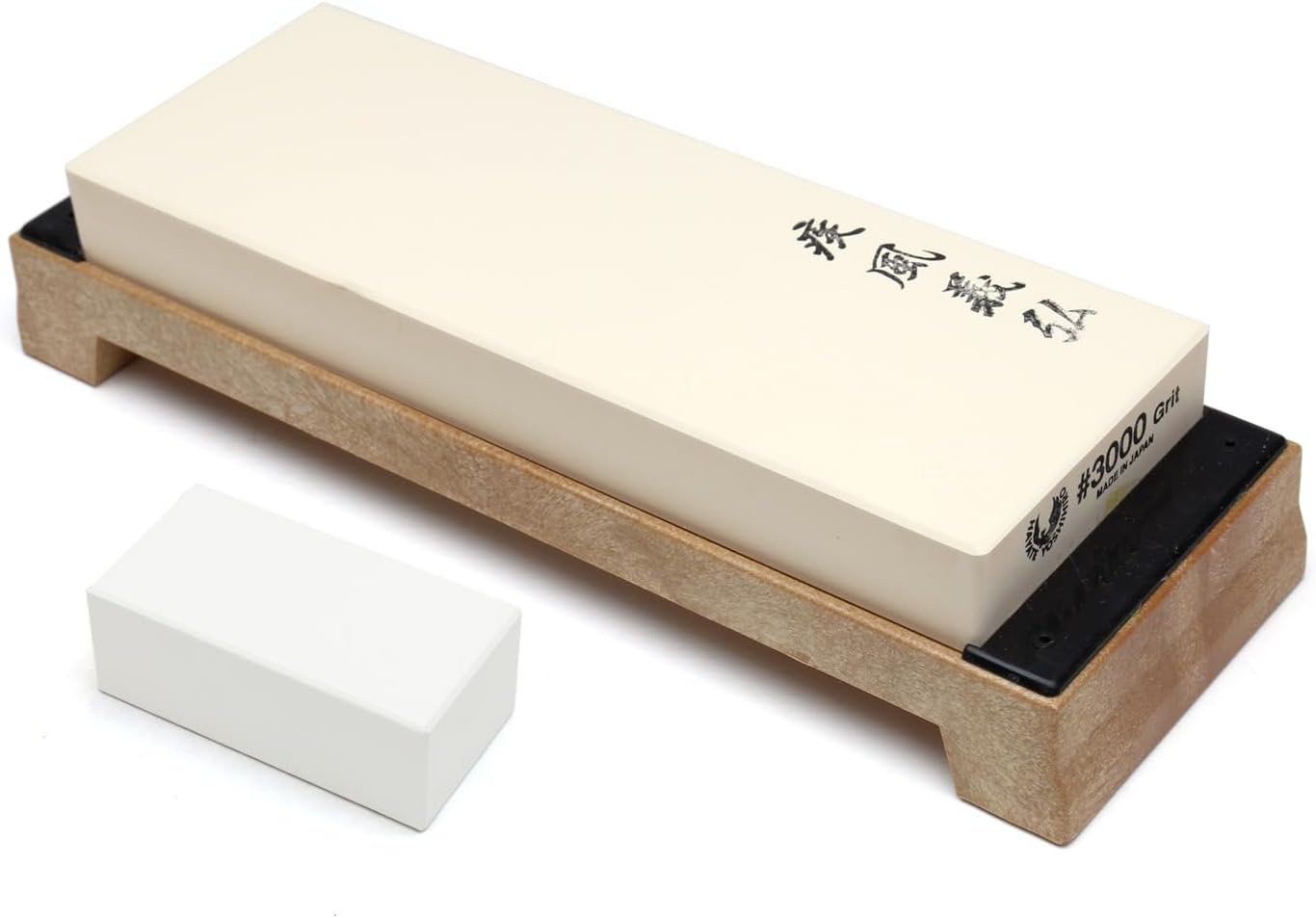
With regular home use, sharpening on a whetstone every few months is typical, though this depends on how often it’s used and what kind of board it meets. A few passes on a fine-grit stone or a ceramic honing rod between sharpenings helps keep the edge crisp. Pull-through sharpeners and steel honing rods can be too aggressive for hard, thin edges and are generally not recommended.
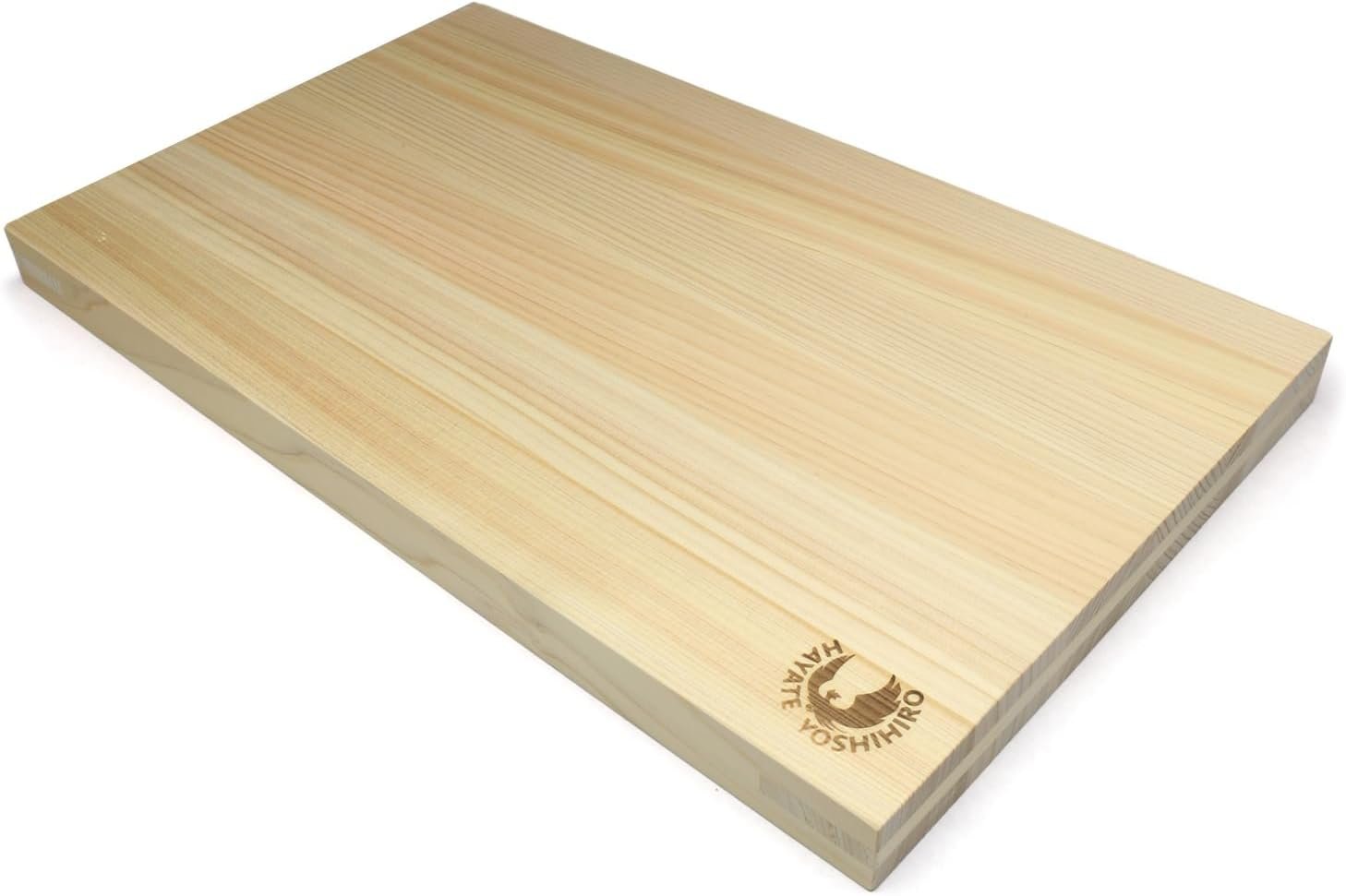
End-grain wood, softer hardwoods, and high-quality rubber or synthetic boards are the gentlest options. Glass, marble, stone, and ceramic surfaces dull and chip thin edges quickly, so those are best kept for serving rather than prep work. A damp towel under the board keeps it from sliding during use.